
7 Home Services Phone Setup Essentials That Win Jobs

The 30-second version
Your home services phone setup is your front desk and dispatcher. Start with a dedicated business number, then make sure every call gets a fast answer or a clear next step. Use routing for office hours, after-hours, and emergencies. Capture the basics on every call: name, address, issue, and callback number. Add calendar-based booking and confirmation texts so jobs get scheduled without phone tag. If you are missing calls during fieldwork, an answering service or an AI voice receptionist can cover 24/7 with consistent intake. The goal is simple: help customers quickly while protecting your time.
In this article
- 01What is home services phone
- 02Why a dedicated phone line matters for home service businesses
- 1) It reduces missed opportunities
- 2) It sets expectations and improves speed
- 3) It protects your personal time (without hurting customers)
- 4) It improves documentation and follow-through
- 5) It supports smarter staffing decisions
- 03Key features to look for in a home services phone system
- The essentials (don’t skip these)
- High-impact add-ons for home services
- A quick reference table: options you can mix and match
- 04How to set up and integrate an AI receptionist
- A concrete setup plan (do these in order)
- What “good” looks like for home services call handling
- 05Best practices for handling calls and improving first-call resolution
- 1) Treat call answering like dispatch, not “admin”
- 2) Keep “speed to voice” and “speed to next step” separate
- 3) Use texting as confirmation, not as a crutch
- 4) Create a “no guessing” price policy
- 5) Close the loop on missed calls the same day
- 6) Standardize status checks so they don’t derail your day
- 06Measuring success: lead response time and customer lifetime value
- Lead response time (LRT)
- Customer lifetime value (CLV)
- A simple scorecard you can use monthly
- 07Closing: winning and keeping customers starts with the first ring
Phones don’t just “ring.” In home services, they decide who gets the job, how fast you schedule it, and whether a caller feels taken care of or moves on to the next contractor.
If your current setup is “my cell + voicemail,” you’re not alone. But you are leaving results to chance.
What is home services phone#
Home services phone is a dedicated phone line or answering setup that connects a home service business with customers for scheduling, questions, and support, so calls get handled quickly and jobs do not slip through the cracks when the team is out in the field.
In practice, it’s the set of choices you make about your business number, who answers it, how calls route after hours, how appointment booking happens, and how messages turn into dispatched work. It can be as simple as a separate business line, or as complete as a call flow with an AI receptionist, emergency routing, job status handling, and calendar-based scheduling.
A good home services phone setup does two things at once:
- Makes it easy for customers to reach you and get helped quickly.
- Makes it easy for your team to capture the right details and act, without playing phone tag.
A home services phone system isn’t “communication tech.” It’s your front desk, your dispatcher, and your first impression, all in one.
Why a dedicated phone line matters for home service businesses#
A dedicated line is not about looking bigger. It’s about operating cleaner.
1) It reduces missed opportunities#
Home services is high-intent. Many callers are in discomfort (no heat, leak) or trying to solve a time-sensitive problem (schedule before guests arrive). If they can’t reach a human or get a clear next step, they’ll keep calling down the list.
Even if you do great work, the phone experience happens before your work.
2) It sets expectations and improves speed#
Customers hate waiting and silence. If it takes too long to answer, some callers will hang up and call someone else.
That doesn’t mean you need a call center. It means you need a plan for answering fast, even when you’re on a ladder, driving, or in a crawlspace.
3) It protects your personal time (without hurting customers)#
A dedicated line lets you define office hours, after-hours rules, and emergency escalation without publishing your personal cell everywhere. It also prevents the “every customer texts my personal number forever” problem.
4) It improves documentation and follow-through#
When calls come into one system, you can consistently capture name, address, issue, and callback number. That consistency reduces mistakes like sending a tech to the wrong address or forgetting a promised callback.
5) It supports smarter staffing decisions#
If you can see patterns (missed calls, after-hours demand, emergency volume), you can make an informed decision: answering service, AI receptionist, part-time admin, or simply better routing.
Key features to look for in a home services phone system#
Not every shop needs an enterprise phone platform. Most small home service businesses need a few core capabilities done well.
The essentials (don’t skip these)#
- A real business number you can keep long-term (portability matters).
- Reliable call answering with clear routing rules (hours, after-hours, emergencies).
- Voicemail that turns into action (transcription or messaging to the team).
- Caller info capture: name, service address, problem description, callback number.
- Basic reporting: missed calls, peak hours, call outcomes.
High-impact add-ons for home services#
- Emergency escalation (route to on-call immediately).
- Calendar-based appointment booking so the schedule stays accurate.
- Texting workflows (confirmation texts, “tech is on the way,” missed-call follow-up).
- Job status handling (“Where is the technician?”) without derailing your techs.
- No-price-quoting policy enforcement (so your team doesn’t get boxed in on the phone).
A quick reference table: options you can mix and match#
| Approach | Best for | Pros | Cons | When it breaks |
|---|---|---|---|---|
| Personal cell + voicemail | Solo operator, very low call volume | Simple, free | Missed calls, no audit trail, no routing | When you’re on a job or after hours |
| Shared business cell | Small crew, informal dispatch | One number, easy texting | Chaos when multiple people “own” the inbox | When accountability matters |
| Traditional VoIP phone system | Office-based team | Multiple extensions, routing menus | Still needs someone to answer; setup complexity | When calls come in during fieldwork |
| home services answering service | After-hours coverage, overflow | Human answering, can be empathetic | Can be costly; may not book on your calendar; scripts vary | When details are incomplete or response is slow |
| AI voice receptionist | 24/7 answering, structured intake, booking | Consistency, speed, scalable | Needs good configuration and clear boundaries | When the business doesn’t define rules (hours, service area, emergency policy) |
The best setup is the one that matches your operation. A busy HVAC shop with lots of no-heat calls has different needs than a small landscaping crew that mostly schedules weeks out.
How to set up and integrate an AI receptionist#
An AI receptionist can be a practical step up from voicemail because it answers immediately, collects structured details, and can handle routine flows like appointment booking and status checks. The key is setting clear operating rules so callers get help without the AI guessing.
Below is a practical setup checklist you can follow even if you don’t consider yourself technical.
A concrete setup plan (do these in order)#
- Map your top call types from the last two weeks (service request, quote request, emergency, appointment booking, status check) and write down what “done” looks like for each.
- Define your emergency policy in one sentence (what counts as emergency, who is on-call, how it should route, and what happens if no one answers).
- Decide what you will never do on the phone (for many home services: don’t quote prices without a technician assessment; don’t promise arrival times you can’t hit).
- Prepare the intake fields you want captured every time: name, service address, problem description, and best callback number.
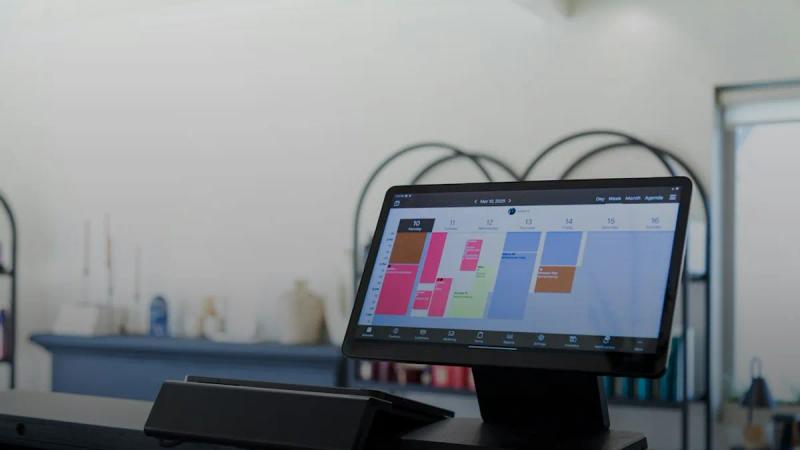
- Connect your calendar for appointment booking and block off realistic service windows (include drive time and “catch-up” buffers).
- Set your routing rules by hour and day: office hours, after-hours, weekends, holiday behavior.
- Set up team notifications (text or internal alerts) so every call outcome creates a task someone actually sees.
- Run 10 test calls: a fake emergency, a quote request, a status check, a caller outside your service area, a caller asking for pricing, and an appointment booking attempt.
- Write the “handoff” script for when a human needs to take over (who calls back, how fast, and what the customer should expect next).
- Review call logs weekly for 30 minutes and tighten the flow: which questions confuse callers, which details are missing, and where drop-offs happen.
What “good” looks like for home services call handling#
A strong AI receptionist setup answers quickly, captures the basics, and moves the request forward without creating extra work.
For example, Ahoya’s Home Services template is designed to handle common call types on a real call:
- Service request: customer needs work done now (texts the team the details)
- Quote request: wants a price quote (texts the team the details)
- Emergency: urgent issue like a water leak or no heat (routed to a person immediately)
- Appointment booking: schedule a service visit (books straight onto the calendar)
- Status check: asking about a current job/technician (texts the team the details)
And it follows practical operating rules many owners want anyway:
- Collect name, service address, problem description, and best callback number
- For emergencies, offer to text the on-call technician immediately
- Never quote prices; instead say a technician will follow up with pricing
- If asked about service area, refer to your stated coverage
- Example opening: “Thanks for calling the business — this is the receptionist. How can I help you today?”
If you’re evaluating tools, keep the focus on outcomes: faster answer, better intake, fewer dropped balls, and easier scheduling.
Best practices for handling calls and improving first-call resolution#
The fastest way to lose jobs is to make customers repeat themselves. One of the fastest ways to win more is to solve more on the first contact.
1) Treat call answering like dispatch, not “admin”#
Train everyone (including yourself) to capture the same basics every time: who, where, what, and how to reach them. That consistency is the foundation of first-call resolution.
Answer Every Home Services Phone Call, 24/7
Start Free TrialIf you want a simple script, start with:
- “What’s the service address?”
- “Tell me what’s going on.”
- “What’s the best callback number if we get disconnected?”
- “Is this an emergency (active leak, no heat, electrical hazard)?”
2) Keep “speed to voice” and “speed to next step” separate#
Answering quickly matters, but so does giving the customer a clear next step. That could be:
- Booked time window
- “On-call tech is being paged now”
- “We’ll call you back within X minutes with scheduling options”
- Confirmation text
A practical target is simple: if you can’t reliably pick up, use routing, overflow coverage, or an AI receptionist so the caller still gets a clear next step.
3) Use texting as confirmation, not as a crutch#
Text is great for confirmations and updates, but don’t assume it replaces voice. If you miss a call and only text back later, the customer may already be gone.
A better pattern:
- Answer by voice when possible
- Use text to confirm details and reduce misunderstandings
4) Create a “no guessing” price policy#
Price questions are normal. The risky move is tossing out a number without context and then trying to walk it back later. A safer standard:
- Acknowledge the question
- Explain the variables briefly
- Promise a follow-up after assessment
This is also where tools matter. If your phone system or receptionist (human or AI) can enforce “never quote prices,” your team stays consistent.
5) Close the loop on missed calls the same day#
Missed calls happen. What matters is the recovery process. Build a habit:
- Call back quickly
- Reference what you saw (“I’m returning your call about the water heater at [address]”)
- Offer two scheduling options
- Send a text recap
If you want to quantify what missed calls cost you, use a simple internal model. For example: if you miss ~10 calls a week and only recover a few, what does that mean over a month? Treat it as planning input, not a forecast.
6) Standardize status checks so they don’t derail your day#
“Where’s the tech?” calls can eat hours. Set a consistent approach:
- Verify name and address
- Check schedule/dispatch notes
- Provide an honest ETA range
- Offer a confirmation text
If your system can intake a status check and text your team the details, you protect technician focus without leaving the customer hanging.
Measuring success: lead response time and customer lifetime value#
You don’t need fancy analytics to know if your home services phone setup is working. Track a few numbers that connect directly to revenue and reputation.
Lead response time (LRT)#
Define it as: time from first inbound call/message to a real human or confirmed next step (booked appointment, confirmed callback, or emergency escalation).
Why it matters: speed signals competence in home services. A slow response feels like you’re overwhelmed or unreliable, even if you do great work.
Practical ways to measure:
- Average time to answer during business hours
- % of calls answered live
- Average time to return missed calls
- After-hours: time to connect emergencies to on-call
Customer lifetime value (CLV)#
CLV is not just “repeat business.” In home services it often includes:
- Repeat maintenance (seasonal HVAC check-ups, drain cleaning, pest follow-ups)
- Cross-sell (water heater after HVAC install)
- Referrals to neighbors and family
- Reviews that drive inbound demand
Your phone system affects CLV because it affects:
- Whether the first job gets scheduled cleanly
- Whether the experience feels organized
- Whether follow-ups happen (maintenance reminders, reschedules, warranty questions)
A simple CLV-friendly phone checklist:
- Are appointments confirmed by text?
- Do callers know what happens next?
- Are emergencies handled with urgency?
- Do you capture address and callback every time?
- Can you see a history of prior calls/requests?
A simple scorecard you can use monthly#
- Missed calls per week
- % answered within 2 minutes (use your own call logs)
- % of inbound leads that result in appointment booking
- % of jobs that required multiple calls to schedule (a proxy for weak intake)
- Repeat bookings in 90 days (rough CLV signal)
If you want one operational North Star, focus on faster response plus higher first-call resolution. When the first contact is smooth, everything downstream gets easier.
Closing: winning and keeping customers starts with the first ring#
In home services, the phone is where trust begins. The shops that win aren’t always the cheapest or the biggest. They’re the easiest to reach, the fastest to respond, and the most consistent at turning a call into a clear next step.
If you want a practical upgrade path, start simple: separate business line, clear routing, consistent intake, and a weekly review of missed calls and outcomes. When call volume or after-hours demand grows, adding a dedicated home services answering service or an AI receptionist can help you stop losing good jobs to silence.
Ahoya is an AI voice receptionist built for small businesses that answers every call 24/7, can book appointments, logs requests, and texts your team. It can be set up from your website URL in minutes on a real phone number. For home services, it’s designed to handle service requests, quote requests, emergencies, appointment booking, and status checks with clear rules like collecting the right details and never quoting prices. Pricing is a free trial, then $49 / $179 / $399 per month.
Frequently asked questions
What does a home services phone system include besides a number?
A home services phone setup includes the number plus the rules behind it: who answers, where calls route during business hours, what happens after hours, and how you capture details. It also covers booking, message delivery to your team, and any emergency escalation. The best setups turn calls into scheduled work with minimal back-and-forth.
Do I really need a dedicated home services phone line if I use my cell?
A dedicated line helps you separate business from personal life and creates consistency for customers and your team. You can publish one stable number, set office hours, and route after-hours calls without exposing your personal cell. It also reduces chaos when multiple people need to see messages, ownership, and follow-through on callbacks.
How should I handle after-hours calls for a home services phone number?
Decide first what counts as an emergency and what does not. Then build a simple rule: emergencies route to the on-call person, non-emergencies collect details and schedule the next available slot or prompt a callback. Make the after-hours greeting clear about response times, and ensure every message is delivered to the right person quickly.
What information should every home services phone intake capture?
At minimum, capture the caller’s name, service address, best callback number, and a short description of the issue. Add a few operational details if relevant, like equipment type, urgency, and preferred times. Consistent intake prevents mistakes like wrong addresses, missed urgency, or incomplete notes that force extra calls later.
Can an AI voice receptionist replace voicemail for home services phone calls?
An AI voice receptionist can answer immediately, ask structured questions, and route or book appointments, which is often more useful than voicemail. It works best when you define boundaries like service area, hours, and no-price-quoting policies. It is not magic on its own, but it can reduce phone tag and improve consistency.
What is the simplest upgrade path for a home services phone setup?
Start by moving to a dedicated business number and setting clear routing for business hours and after-hours. Next, add a consistent intake checklist and a way to text or message the team with call notes. After that, implement calendar-based booking and confirmation texts. If missed calls are still common, consider overflow coverage like an answering service or AI receptionist.
Written by
Ahoya Team
Ahoya editorial
Never miss another customer call
Ahoya answers every call, books appointments, and texts your team — set up from your website in minutes.
Get new playbooks by email