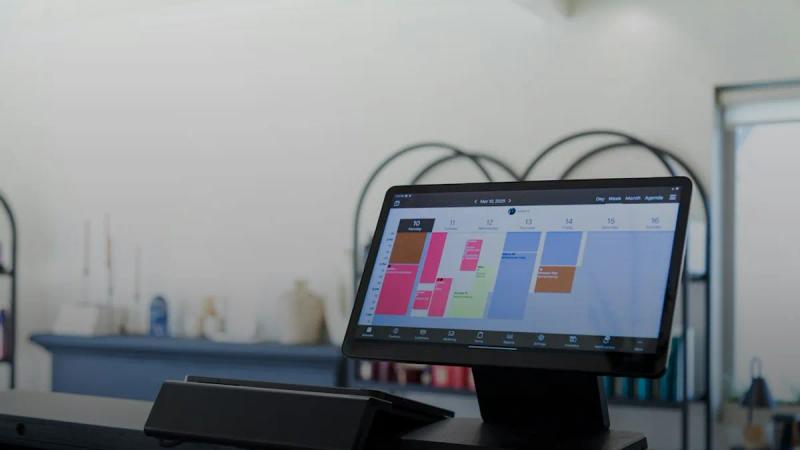

Dental Appointment Scheduling Software: 6 Things That Matter
The 30-second version
For most small dental practices, the right appointment scheduling software comes down to three things: easy setup, HIPAA-conscious data handling, and the ability to capture bookings outside office hours. Prioritize online self-scheduling, automated reminders, and two-way SMS so your front desk handles fewer routine calls. Before buying, map your current booking process, confirm whether the tool connects to your practice management system, and decide how after-hours calls will be handled. An AI receptionist can answer calls and book appointments around the clock, so you stop losing patients who call on a Saturday night and reach voicemail.
In this article
- 01What to Consider When Choosing Dental Appointment Scheduling Software
- 02Key Features of Effective Dental Appointment Scheduling Systems
- 03Benefits of Implementing Dental Appointment Scheduling Software
- 04How to Integrate Dental Appointment Scheduling with Your Existing Workflow
- 05Top Dental Appointment Scheduling Software Options for Small Practices
- 06Tips for Successfully Implementing and Using Dental Appointment Scheduling Software
- 07Common Mistakes to Avoid When Selecting Dental Appointment Scheduling Software
- 08How Ahoya Helps Dental Practices Handle Calls and Bookings Around the Clock
What to Consider When Choosing Dental Appointment Scheduling Software#
Dental appointment scheduling software is a digital tool that manages patient bookings for dental practices. It replaces phone tag and paper calendars, and gives patients a faster way to get on your schedule. For a small or independent practice, picking the right system can mean the difference between a smoothly run day and a morning spent untangling double-bookings.
The short answer for a busy dentist: prioritize ease of setup, HIPAA-conscious data handling, and the ability to handle calls and bookings outside office hours. Everything else flows from those three things.
Before you compare feature lists, get clear on how your practice actually runs. A solo dentist with one hygienist has different needs than a three-chair practice with a dedicated front desk.
Patient volume. If you see a modest number of patients each day, a lightweight tool may be plenty. If you're running a high volume of appointments across multiple providers, you need something that handles provider-specific calendars and chair availability.
How patients currently book. Do most people call in? Do you already have a website form? Understanding your current booking flow tells you where the biggest friction points are and where software will actually help.
Staff capacity. If your receptionist is already stretched, you want software that reduces her workload, not adds to it. Look for tools that automate confirmations, reminders, and rescheduling rather than just digitizing what she already does manually.
Budget. Dental scheduling software ranges from free tiers with limited features to enterprise platforms priced for large group practices. Know your ceiling before you start demos.
Integration needs. If you're using a practice management system like Dentrix or Eaglesoft, you'll want scheduling software that connects to it, or at minimum, doesn't create duplicate data entry.
Key Features of Effective Dental Appointment Scheduling Systems#
Not every feature on a vendor's marketing page is worth paying for. These are the ones that actually move the needle for small dental practices.
- Online self-scheduling. Patients book at 11 p.m. when they finally remember to make that cleaning appointment. If they can't book without calling, many won't.
- Automated reminders. Text and email reminders sent before an appointment cut no-shows without any staff effort.
- Two-way messaging. Patients need to confirm, cancel, or ask a quick question. A system that supports two-way SMS keeps that conversation off your phone lines.
- Provider and operatory management. The software should understand that Dr. Patel is unavailable Thursday afternoons and that Chair 2 is reserved for hygiene.
- Recall and reactivation. Good scheduling software prompts patients who are overdue for a cleaning, not just patients with upcoming appointments.
- Reporting. At minimum, you want to see no-show rates, booking lead times, and which appointment types fill fastest.
- After-hours coverage. This is where many practices lose patients. A dental answering service or AI receptionist can handle calls and booking requests that come in after the front desk closes.
Benefits of Implementing Dental Appointment Scheduling Software#
The obvious benefit is time saved at the front desk. But the downstream effects matter just as much.
Fewer missed appointments. Automated reminders do more to reduce no-shows than staff follow-up calls.
More after-hours bookings. A patient who searches for a dentist on a Saturday night and finds a practice with online appointment booking will schedule right then. One that requires a Monday morning phone call may lose that patient to a competitor.
Reduced phone volume. When patients can confirm, cancel, and reschedule online, your front desk spends less time on routine calls and more time on patients who are actually in the chair.
Better patient experience. Convenience is a real differentiator in dental care. Practices that make booking easy tend to see better retention and more referrals.
Cleaner data. Digital scheduling means appointment history, cancellation patterns, and recall gaps are all visible in one place.
How to Integrate Dental Appointment Scheduling with Your Existing Workflow#
This is where most implementations go wrong. The software is fine; the rollout is rushed.
- Audit your current process first. Write down every step that happens from the moment a patient calls to the moment they're confirmed on the schedule. You can't improve a process you haven't mapped.
Answer Every Patient Call, Day or Night
Start Free Trial- Identify your integration requirements. If you use Dentrix, Eaglesoft, or another practice management system, confirm with the scheduling software vendor whether a direct integration exists or whether you'll need a middleware tool.
- Set up your availability rules before going live. Block off lunch, provider-specific hours, and any recurring holds before a single patient sees the booking page. A messy calendar on day one erodes trust fast.
- Train your front desk on the new workflow, not just the software. Show staff how the software changes their daily tasks — which calls they no longer need to make, which confirmations now happen automatically.
- Run a soft launch with existing patients first. Send a link to your scheduling page to patients who already know your practice. Collect feedback before you promote it to new patients or put it on your website.
- Connect your after-hours coverage. Decide how calls and booking requests that arrive outside business hours will be handled. This might mean enabling online booking 24/7, adding a 24/7 call answering solution, or both.
- Review your first 30 days of data. Look at no-show rates, booking lead times, and any patterns in cancellations. Adjust your reminder cadence or availability rules based on what you see.
The practices that get the most from scheduling software are the ones that treat the rollout as a workflow redesign, not just a software installation.
Top Dental Appointment Scheduling Software Options for Small Practices#
The right tool depends on your practice size, budget, and whether you need deep integration with a practice management system. Here is a reference comparison of commonly used options.
| Software | Best For | Online Booking | Automated Reminders | PMS Integration | HIPAA Considerations | Starting Price |
|---|---|---|---|---|---|---|
| Dentrix (scheduling module) | Practices already on Dentrix | Yes | Yes | Native | Verify with vendor | Bundled |
| Eaglesoft | Patterson Dental practices | Yes | Yes | Native | Verify with vendor | Bundled |
| Weave | Small multi-location practices | Yes | Yes | Many PMS systems | Verify with vendor | Custom quote |
| NexHealth | Growth-focused practices | Yes | Yes | Multiple PMS | Verify with vendor | Custom quote |
| Acuity Scheduling | Solo/very small practices | Yes | Yes | Limited | Verify with vendor | From ~$20/mo |
| Ahoya (AI receptionist) | After-hours call and booking coverage | Yes (via AI) | Via text | Standalone | Verify with vendor | From $49/mo |
Note: HIPAA compliance requirements vary by how each tool is configured and how your practice uses it. Always confirm directly with any vendor whether they will sign a Business Associate Agreement (BAA) before sharing patient data.
Tips for Successfully Implementing and Using Dental Appointment Scheduling Software#
Keep your calendar rules simple at first. Start with your five most common visit types and expand from there.
Use the reminder data. If patients who receive a reminder still no-show at a high rate, try adding a second reminder earlier in the week. The settings are adjustable — use them.
Make online booking visible. A booking link buried in the footer of your website won't get used. Put it in your Google Business Profile, your email signature, and any patient communications.
Don't abandon the phone. Online booking complements phone booking; it doesn't replace it. Some patients — particularly older ones — will always prefer to call. Make sure those calls are answered, including after hours, with a missed-call text-back or live answering solution so no inquiry falls through the cracks.
Revisit your setup quarterly. Provider schedules change, new appointment types get added, and patient habits shift. A quick quarterly review of your availability rules and reminder settings keeps the system working the way your practice actually runs.
Common Mistakes to Avoid When Selecting Dental Appointment Scheduling Software#
Choosing based on features you won't use. A long feature list is not a proxy for the right fit. Focus on the two or three problems you most need to solve.
Skipping the integration question. If the scheduling tool doesn't talk to your practice management system, you'll end up doing double data entry, which defeats much of the purpose.
Ignoring after-hours gaps. Many small practices set up online booking but leave their phone lines unattended after 5 p.m. Patients who call after hours and reach voicemail often don't leave a message — they call the next practice on their list. Any small business growth strategy has to account for inquiries that arrive outside business hours.
Underestimating training time. Even intuitive software requires a real onboarding period. Budget a few weeks before your team is fully comfortable.
Not confirming the BAA. Any software that touches patient scheduling data is potentially handling protected health information. Before you sign up, ask the vendor directly whether they will sign a Business Associate Agreement.
How Ahoya Helps Dental Practices Handle Calls and Bookings Around the Clock#
Even the best scheduling software has a gap: the patients who call instead of booking online, especially after hours.
Ahoya is an AI voice receptionist built for small businesses, including dental practices. It answers every incoming call 24/7, books appointments, logs patient requests, and texts your team so nothing gets missed. Setup starts from your website URL and takes minutes. You get a real phone number, and your patients get a live answer every time they call — whether it's 2 p.m. on a Tuesday or 9 p.m. on a Friday.
For a dental practice that already has scheduling software in place, Ahoya works as the after-hours layer that keeps your phone from being a leaky bucket. For a practice just getting started with digital scheduling, it can serve as the first step toward full 24/7 coverage while you evaluate longer-term options.
Ahoya plans start at $49 per month, with a free trial to get started. If your practice is losing patients to voicemail after hours, that is the most direct fix available.
Frequently asked questions
What is dental appointment scheduling software?
Dental appointment scheduling software is a digital tool that manages patient bookings for a dental practice. It replaces phone tag and paper calendars, lets patients self-schedule online, sends automated reminders, and gives the front desk a cleaner view of the day. Most systems also handle cancellations, rescheduling, and recall prompts for overdue patients.
Does dental scheduling software need to be HIPAA compliant?
Any software that stores or transmits patient health information in the US must meet HIPAA requirements. Before signing up with any scheduling vendor, ask whether they sign a Business Associate Agreement and how they handle data storage and access controls. Verify HIPAA status directly with each vendor rather than relying on marketing copy.
How does dental scheduling software reduce no-shows?
Automated text and email reminders sent one to two days before an appointment are the single most effective no-show reducer most practices can add. Patients who confirm digitally show up at higher rates than those who only received a manual call. Two-way messaging also lets patients cancel or reschedule early, freeing the slot for someone else.
Can an AI receptionist handle dental appointment booking after hours?
Yes. An AI voice receptionist like Ahoya answers every call 24/7, books appointments, logs requests, and texts your team — so patients who call on evenings or weekends get a real response instead of voicemail. For dental practices, this means fewer lost patients and a fuller schedule without adding front-desk hours.
How do I integrate new scheduling software with Dentrix or Eaglesoft?
Start by asking the scheduling vendor directly whether a native integration exists for your practice management system. If not, ask whether a middleware connector is available. Confirm before you buy — duplicate data entry between two systems creates more work than it saves and increases the chance of booking errors.
What should I look for in dental scheduling software for a solo practice?
A solo dentist needs simplicity above all. Look for fast setup, online self-scheduling, automated reminders, and after-hours call coverage. You likely do not need multi-provider calendar management or enterprise reporting. A lightweight tool that handles bookings while you focus on patients will outperform a complex platform that takes months to configure.
Written by
Ahoya Team
Ahoya editorial
Never miss another customer call
Ahoya answers every call, books appointments, and texts your team — set up from your website in minutes.
Get new playbooks by email