
12 Questions to Ask on Every HVAC Service Call
The 30-second version
An HVAC service call is a scheduled visit where a technician diagnoses, repairs, or maintains your heating and cooling system. The fastest way to avoid surprises is to prep key details before booking (address/access, equipment type/age, symptoms, safety flags, photos) and then use the first 10 minutes onsite to align on the problem statement, diagnostic plan and fee, who can approve repairs, and what “fixed” means. During the visit, ask for options, not just one recommendation, and get findings documented for warranties and future maintenance. Confirm parts availability, return-visit expectations, and whether it’s safe to keep running the system.
In this article
- 01What is HVAC service call
- 02Preparing for the service call: essential information to gather
- 1) Basic job details (the stuff dispatch needs)
- 2) Equipment details (even partial helps)
- 3) Symptom details (describe like a witness, not a technician)
- 4) Safety and urgency flags
- 5) Proof and paperwork (fast wins)
- A practical pre-call checklist (copy/paste)
- 03Key components to discuss during the visit
- 1) Confirm the problem statement (in one sentence)
- 2) Agree on the diagnostic plan (and what it costs)
- 3) Safety checks and risk calls
- 4) Options, not just a single recommendation
- 5) Parts, availability, and return visits
- 6) Documentation you should get before they leave
- 04Setting realistic expectations with your technician
- Expectation #1: Diagnosis comes before pricing
- Expectation #2: Timing is a range, not a minute
- Expectation #3: You are authorizing work, not guessing
- Expectation #4: “Fixed” should be verifiable
- Expectation #5: You’ll get a written summary
- Quick “expectations script” you can use
- 05Follow‑up steps and documentation after the call
- What to review the same day
- What to save in your “HVAC folder”
- When to schedule the next touchpoint
- A simple documentation table you can use
- 06How an AI receptionist can streamline HVAC service scheduling
- 07Closing: better service calls create better customers
Your next HVAC service call can either feel like a blur of vague symptoms and surprise charges, or a clean, documented plan with clear next steps. The difference is rarely the technician. It’s what gets discussed (and written down) in the first 10 minutes.
What is HVAC service call#
HVAC service call is a scheduled appointment where a heating, ventilation, and air‑conditioning technician visits a property to diagnose, repair, or maintain its climate‑control systems.
Homeowners often think of a service call as “fix my AC.” For a contractor, it’s a small project: confirm the address, identify the equipment, reproduce the symptom, rule out safety issues, document findings, and agree on what happens next.
A good HVAC service call does three things:
- Gets the right technician and parts to the right place the first time
- Prevents surprises (scope, pricing approval, timing, what “done” means)
- Creates a paper trail you can use for warranties, rebates, and future maintenance
Preparing for the service call: essential information to gather#
Preparation isn’t busywork. It helps you avoid the “We need to reschedule because we didn’t know it was a boiler / rooftop unit / mini-split” problem.
Here’s what to gather before anyone shows up (or before you call to book):
1) Basic job details (the stuff dispatch needs)#
- Service address (include gate codes, parking notes, or unit number)
- Best callback number (and an alternate, if possible)
- Preferred arrival window and constraints (school pickup, quiet hours, pets)
2) Equipment details (even partial helps)#
- Equipment type: furnace, AC, heat pump, boiler, mini-split
- Approximate age (even “older than 10 years” helps)
- Model/serial number (a photo of the data plate is best)
- Filter size (if you know it) and last filter change
If you’re calling for a replacement estimate, add:
- Approximate square footage of the home
- Known comfort issues (hot/cold rooms, humidity, allergies)
3) Symptom details (describe like a witness, not a technician)#
Technicians don’t need you to diagnose. They need clear observations.
Write down:
- The main symptom: no heat, no cooling, noise, leak, error code
- When it started (suddenly vs gradually)
- What makes it better/worse (time of day, outdoor temp, system cycling)
- Recent changes (power outage, renovations, thermostat replacement)
If there’s an error code, take a photo. If there’s a noise, record a short video.
4) Safety and urgency flags#
Say anything that changes priorities:
- Elderly person, infant, or medical need in the home
- Water leaking near ceilings, electrical panels, or finished areas
- Burning smell, smoke, or carbon monoxide alarm
If you smell gas or a CO alarm is sounding, leave the home and call your gas utility or 911 first. A service call comes after safety.
5) Proof and paperwork (fast wins)#
- Warranty info (equipment warranty, home warranty, maintenance plan)
- Maintenance history (even “tune-up last fall” helps)
- Photos of the thermostat settings and the indoor/outdoor unit
Quotable insight: A service call goes smoother when everyone agrees on what “fixed” means before the technician starts turning screws.
A practical pre-call checklist (copy/paste)#
Use this when you call or when someone in your office books the job.
- Confirm the service address, access instructions, and parking notes.
- Identify the equipment type (furnace/AC/heat pump/boiler/mini-split) and approximate age.
- Describe the symptom in plain language (no heat/no cooling/noise/leak/error code) and when it started.
- Flag any urgency or safety concerns (extreme heat/cold, vulnerable occupants, water leak, gas smell, CO alarm).
- Ask about the diagnostic process (diagnostic fee, what’s included, how repair options are presented).
- Clarify the arrival window and how you’ll be notified (call/text when tech is en route).
- Decide who can approve work on-site and up to what dollar amount.
Key components to discuss during the visit#
Most frustration comes from mismatched expectations. Use this as an agenda during the HVAC service call.
1) Confirm the problem statement (in one sentence)#
Before any tools come out, repeat the symptom and goal:
- “The AC runs but doesn’t cool below 78°F.”
- “The furnace won’t ignite; we have no heat.”
- “There’s water dripping from the indoor unit into the closet.”
This reduces scope creep and “we fixed something else” surprises.
2) Agree on the diagnostic plan (and what it costs)#
Ask:
- What tests will you run first?
- How long should diagnosis take?
- What’s the diagnostic fee, and does it apply toward the repair?
A reputable tech usually can’t quote a firm repair price until they diagnose. If you need boundaries, set them: “Please call me before any repair over $X.”
Even routine calls can get expensive, so make approval rules clear before any repair work starts.
3) Safety checks and risk calls#
Some findings change the entire conversation (gas leaks, electrical hazards, condensate issues, heat exchanger concerns). Ask what they’re checking for and what would trigger an immediate shutdown recommendation.
If the issue is urgent comfort or safety (no heat in cold, no cooling in extreme heat, gas smell, active water leak), say so. It helps them triage and dispatch correctly.
4) Options, not just a single recommendation#
A solid service call ends with choices. Ask for:
- Good / Better / Best repair options when applicable
- Expected lifespan impact (short-term patch vs durable fix)
- What’s optional vs necessary
Also ask: “If we do nothing today, what’s the likely outcome in a week?”
5) Parts, availability, and return visits#
If a part is needed:
Answer Every Call and Book More HVAC Jobs
Start Free Trial- Is it stocked on the truck or special order?
- What’s the expected lead time?
- Can the system be safely left running (or should it be shut down)?
Clarify whether a second trip will include another diagnostic fee.
6) Documentation you should get before they leave#
Request:
- The diagnosed cause (plain language)
- Any readings that support it (pressures, temp split, voltage, error codes)
- Photos of failed components (if relevant)
- Written estimate for repair/replacement options
Setting realistic expectations with your technician#
Setting expectations isn’t about being demanding. It protects your time, your home, and the working relationship.
Expectation #1: Diagnosis comes before pricing#
You can usually get a diagnostic fee and a “most likely causes” conversation up front. But firm pricing before diagnosis often leads to padding for unknowns or change orders later.
If you want fewer surprises, ask for this sequence:
- Diagnose
- Present options with prices
- Get approval
- Repair
Expectation #2: Timing is a range, not a minute#
HVAC schedules get thrown off by emergencies, parts runs, and jobs that become bigger than expected. You can still set fair expectations:
- Ask for an arrival window
- Ask for a “tech en route” text/call
- Decide what happens if the window is missed (reschedule vs standby)
Expectation #3: You are authorizing work, not guessing#
Decide who can approve repairs:
- Homeowner on-site?
- Landlord/property manager?
- Office contact?
For rentals or commercial spaces, set a not-to-exceed amount the tech can proceed with, and a threshold where they must call.
Expectation #4: “Fixed” should be verifiable#
Define what success looks like:
- Target temperature reached within X hours
- No water at the drain pan after a full cycle
- Noise eliminated (or reduced to normal operating sound)
Ask how they’ll confirm the fix (run cycle, check temp split, observe drain flow).
Expectation #5: You’ll get a written summary#
Even a short summary helps later:
- Warranty claims
- Selling the home
- Future troubleshooting
If you run a shop, documentation protects your reputation. Customers forget verbal explanations. They remember whether they got a clear summary.
Quick “expectations script” you can use#
- “Please diagnose first, then call me with options and pricing before doing repairs.”
- “Text me when the tech is en route and if the schedule changes.”
- “If this needs parts, tell me the lead time and whether we can safely run the system.”
- “Before you leave, can I get a written summary and any photos that help explain the issue?”
Follow‑up steps and documentation after the call#
The service call isn’t finished when the truck leaves. A little follow-up helps prevent repeat issues and makes quotes easier to compare.
What to review the same day#
- Invoice line items: diagnostic fee, labor, parts, any add-ons
- Warranty on the repair (parts and labor)
- Any “watch items” (failing capacitor, rust, marginal readings)
- Maintenance recommendations and what’s truly urgent
What to save in your “HVAC folder”#
- Photos the tech took (or you took)
- Model/serial numbers
- Receipts and warranty terms
- Notes on what was done and what was recommended next
When to schedule the next touchpoint#
- If you had a repair: ask if a follow-up check is needed after a few days of operation
- If you were told “it’s aging”: consider a pre-season tune-up or replacement estimate before the next heat wave/cold snap
A simple documentation table you can use#
| Item to document | Why it matters | What “good” looks like |
|---|---|---|
| Symptom & start time | Establishes pattern and urgency | “No cooling began Saturday 3pm, worse above 90°F” |
| Equipment type & age | Guides parts, replacement planning | “Heat pump, ~12 years old” |
| Diagnostic findings | Prevents repeat diagnosis next visit | Plain-language cause + supporting readings/photos |
| Work performed | Clarifies what changed | Specific parts replaced, cleaning done, settings adjusted |
| Open recommendations | Helps you plan and budget | Prioritized list: safety, reliability, efficiency |
How an AI receptionist can streamline HVAC service scheduling#
If you run an HVAC business, the best service call starts before the technician rolls. It starts when the phone rings.
Phones ring when you’re driving, on a ladder, or in a noisy mechanical room. When calls go unanswered or intake is inconsistent, you lose good jobs and create bad handoffs.
An AI receptionist for HVAC can help by handling intake the same way every time:
- Capturing name, service address, equipment type, symptom, and callback number
- Flagging emergencies like no heat in cold weather or no cooling in extreme heat, especially with vulnerable occupants
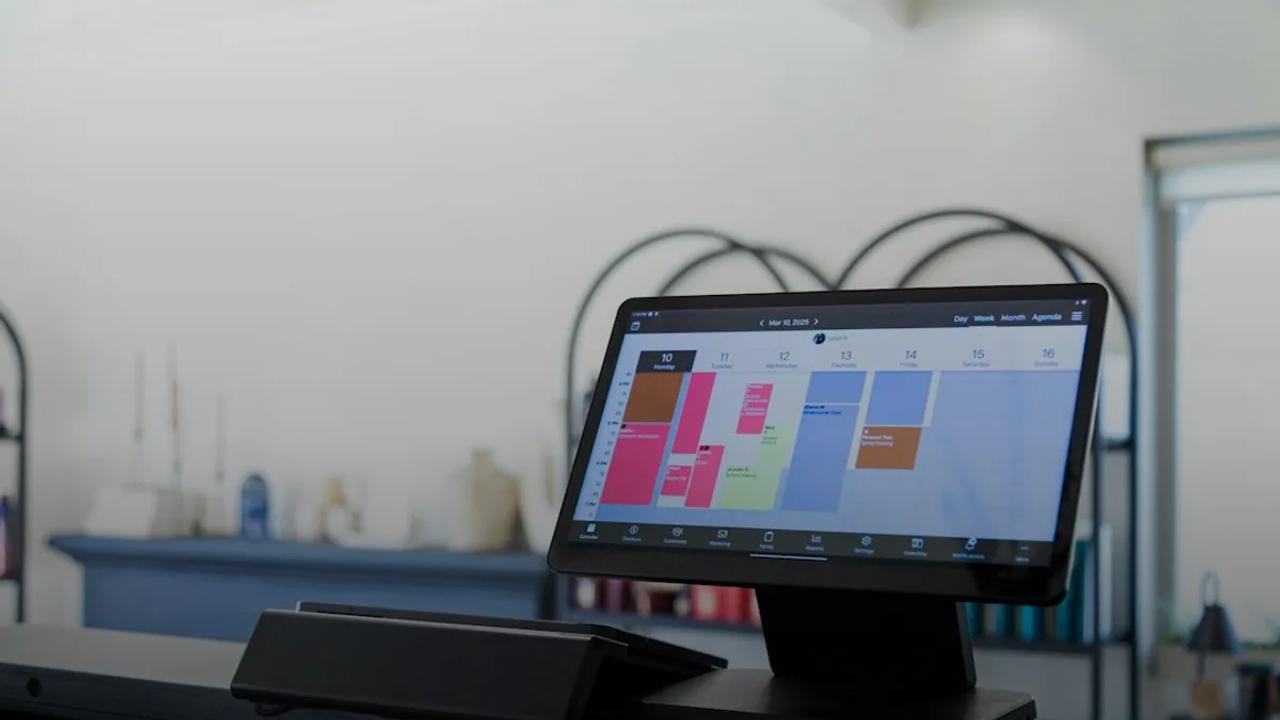
- Handling appointment booking directly onto the calendar
- Routing true emergencies to a person immediately (based on your rules)
- Logging quote requests and replacement leads with details like square footage and equipment age
If you want to estimate what missed calls could be costing, you can model simple scenarios (for example, “If we miss ~10 calls a week and only one would have booked…”). The point isn’t perfect math. It’s visibility.
Ahoya is one option here: an AI voice receptionist built for small businesses that answers every call 24/7 on a real phone number, books appointments, logs requests, and texts your team the details. It can be set up from a website URL in minutes, with a free trial and then plans starting at $49/month ($49 / $179 / $399 per month).
Closing: better service calls create better customers#
A smooth HVAC service call builds trust. When customers know what will happen, what it costs to diagnose, and how decisions get approved, the whole job feels calmer.
And when your business responds quickly, captures the right details, and sets clear expectations from the first ring, you reduce reschedules, misquotes, and misunderstandings. The process feels predictable, even when the situation is stressful.
Frequently asked questions
What does a HVAC service call include?
An HVAC service call typically includes arrival and system evaluation, basic safety checks, troubleshooting to confirm the root cause, and a written or verbal summary of findings and next steps. It may also include minor adjustments if they’re part of the diagnostic process. Ask upfront what the diagnostic fee covers, how long diagnosis should take, and whether that fee applies toward the repair if you approve work.
How do I prepare for an HVAC service call so it doesn’t get rescheduled?
Have dispatch-ready details: the service address (gate codes, parking, unit number), best callback number, and an arrival window. Share what equipment you have (furnace, AC, heat pump, boiler, mini-split) and any approximate age. Describe symptoms like a witness (what happened, when it started, what changes it). Photos of the thermostat and the data plate help a lot.
What is the $5000 rule for HVAC?
The “$5,000 rule” is a quick replacement heuristic some people use: multiply the unit’s age by the estimated repair cost, and if the result is over 5,000, they consider replacing instead of repairing. It’s not a universal rule and doesn’t factor efficiency gains, refrigerant issues, or safety concerns. Use it only as a rough screen, then compare repair options and risks with your technician.
What questions should I ask during an HVAC service call to avoid surprise charges?
Start by confirming the problem statement in one sentence. Then ask what tests they’ll run, the diagnostic fee, and whether any repair over a set dollar amount requires your approval first. Ask for “good/better/best” options, what’s necessary vs optional, and what happens if you do nothing for a week. Finally, request documentation of findings for warranties, rebates, and future maintenance.
How to get HVAC service calls?
HVAC companies usually earn more service calls by making it easy to book, answering every call quickly, and collecting the details dispatch needs to send the right tech. Clear intake scripts, fast callbacks, and consistent follow-up on missed calls help. Some shops also use an AI voice receptionist like Ahoya to answer 24/7, book appointments, log requests, and text the team so leads do not wait until business hours.
Can HVAC make $100,000 a year?
Yes, many HVAC professionals can reach six figures, but it depends heavily on location, role, overtime, certifications, and whether you’re a lead tech, installer, salesperson, or owner. Demand swings with seasons, and performance-based compensation can change earnings a lot. If you’re building a business, consistent scheduling, fewer missed calls, and efficient dispatch can matter as much as technical skill.
Written by
Ahoya Team
Ahoya editorial
Never miss another customer call
Ahoya answers every call, books appointments, and texts your team — set up from your website in minutes.
Get new playbooks by email